General Dentistry


 Tiếng Việt
 日本語
日本語

Is dental implant surgery necessary when a tooth is missing? Doctors warn against delaying it.
May 22, 2026
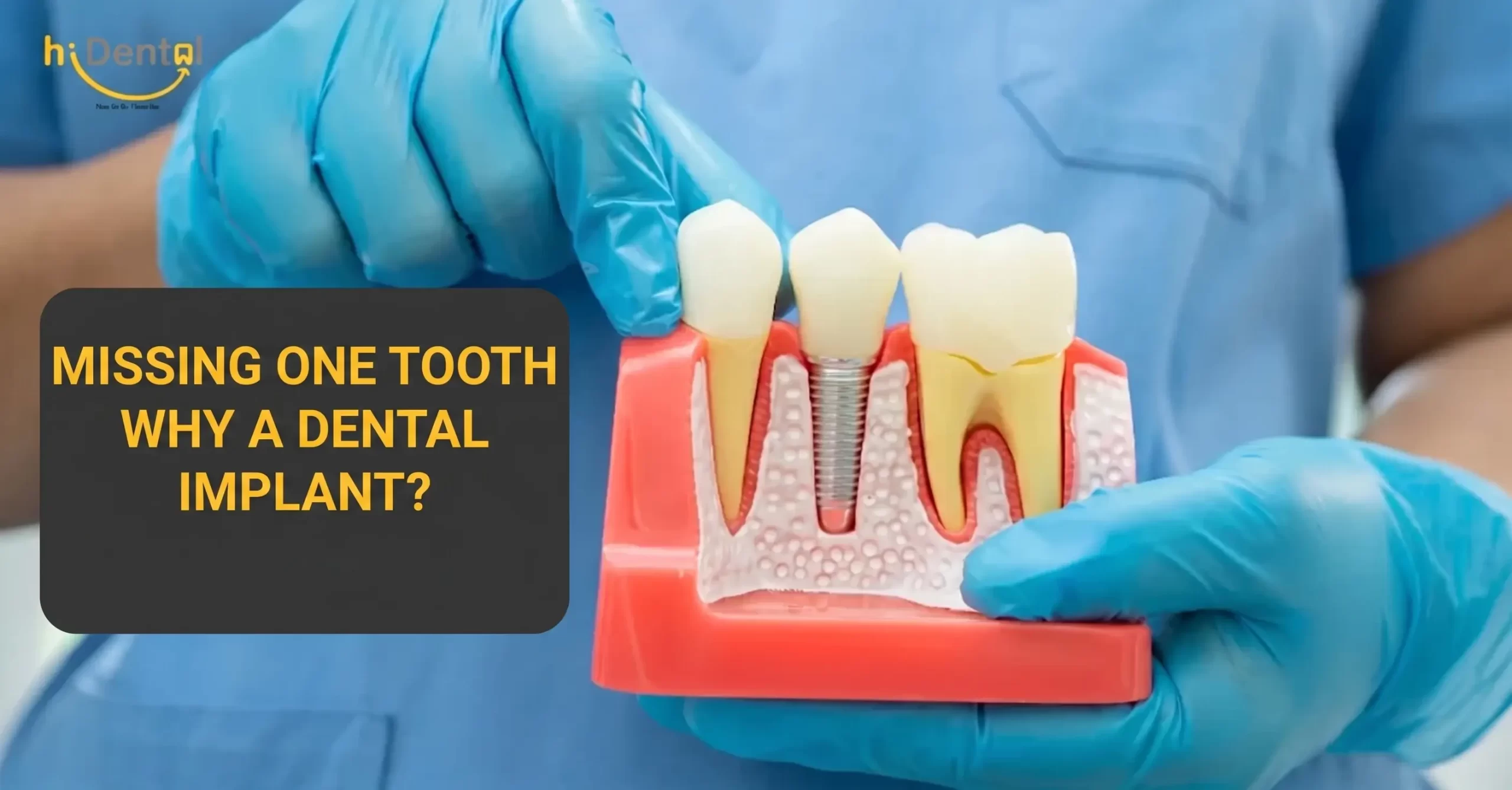
Many patients tend to underestimate the consequences of losing a tooth, especially when it is just a single missing tooth. Many people think, “Losing one tooth won’t affect anything; I’ll fix it when I have time,” or “It’s a back tooth, no one can see it anyway.” In reality, delaying the replacement of a single missing tooth can lead to many long-term oral health and aesthetic problems.
Thank you for reading this post, don’t forget to subscribe!
Let the dentists at hiDental – a specialized Implant dental clinic in Ho Chi Minh City – explain why replacing a single missing tooth with an Implant is important and why you should not delay treatment.
According to statistics, 80% of patients who come to dental clinics to replace a single missing tooth already suffer from bone loss, shifting teeth, or bite misalignment. Why does this happen?
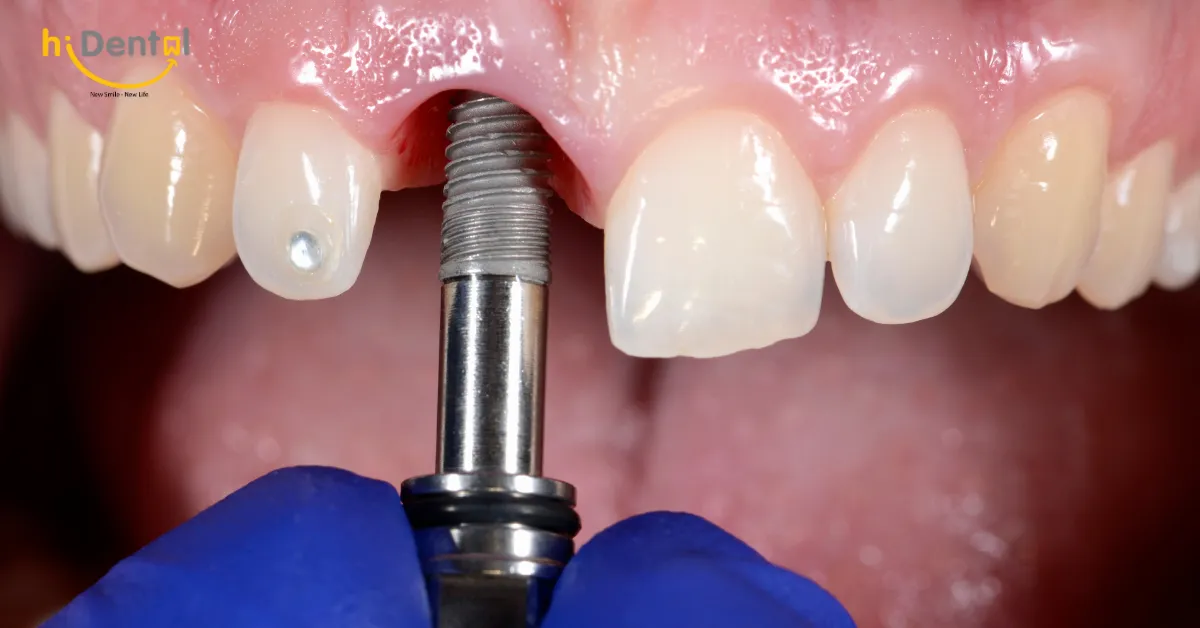 Losing one tooth can cause many serious consequences
Natural tooth roots transfer chewing force to the jawbone, stimulating the bone to maintain its density. When a tooth is lost, especially a molar or front tooth, the surrounding bone no longer receives stimulation and gradually begins to shrink.
When a gap appears, neighboring teeth tend to tilt or drift into the empty space, causing crowding, bite misalignment, and difficulty cleaning.
That is why replacing a single missing tooth early not only restores chewing function but also helps maintain a youthful appearance and confidence when smiling and communicating.
Currently, there are two common options for replacing a single missing tooth: dental bridges or dental implants. So which option is better?
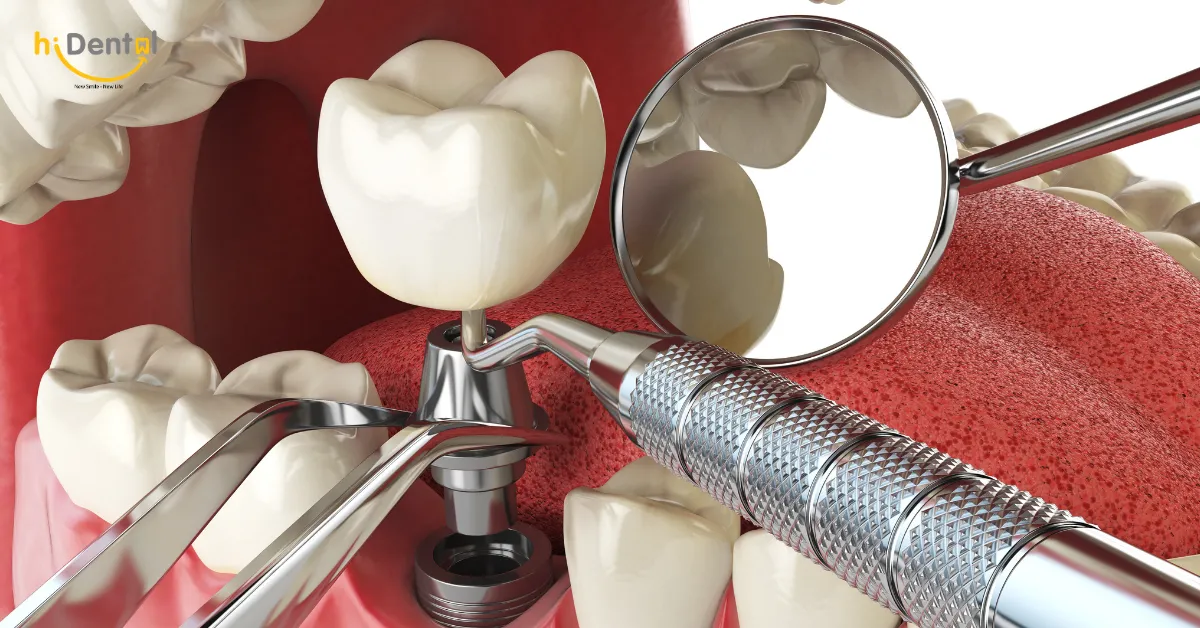 There are different solutions for replacing a single missing tooth
Dental bridges are commonly used when one tooth is missing between two healthy teeth. This method requires shaving down the adjacent healthy teeth to support the bridge.
Advantages:
Disadvantages:
Replacing a single missing tooth with a dental implant is highly recommended by dentists because:
Conclusion: If your health condition and jawbone density are suitable, dental implants are a worthwhile investment for replacing a missing tooth.
Many patients hesitate because they believe the issue is not serious yet. However, hiDental dentists recommend that single-tooth replacement should be done as early as possible for the following four reasons:
If a missing tooth is not replaced within 6 months to 1 year, jawbone deterioration may make implant placement more difficult. At that point, you may need:
This can increase treatment costs by 5–10 million VND per tooth and significantly extend treatment time.
 The longer you wait, the more expensive treatment becomes
When neighboring teeth tilt and opposing teeth over-erupt, bite misalignment develops. Dentists may need to perform orthodontic treatment before implant placement, making the process much longer and more complicated compared to early restoration.
Losing a molar reduces chewing efficiency, leading to one-sided chewing habits. Over time, the temporomandibular joint (TMJ) becomes overloaded, increasing the risk of jaw pain, muscle fatigue, and bite disorders.
Replacing a tooth immediately after tooth loss usually requires only 1–2 implant appointments with faster recovery. Delaying treatment often requires additional procedures such as bone grafting or orthodontics, increasing both cost and treatment duration.
So if you are wondering whether replacing a single missing tooth is urgent, the answer is always YES.
hiDental is a specialized Implant dental clinic with a team of experienced dentists. We always encourage patients to restore missing teeth using appropriate methods tailored to their needs and budget, following a safe, gentle, and transparent process.
Step 1: Clinical examination and imaging to evaluate jawbone density.
Step 2: Personalized treatment planning with 3D implant position simulation.
Step 3: Local anesthesia and implant placement in only 20–30 minutes per tooth. Minimal discomfort and low risk of complications.
Step 4: Placement of the final crown after osseointegration (3–6 months) using highly aesthetic all-ceramic crowns.
 hiDental’s international-standard implant procedures are trusted by many patients
All dental implant procedures at hiDental are performed exclusively by implant specialists, not general dentists. Post-operative care includes nursing follow-up and appointment reminders.
Replacing a single missing tooth with an implant may seem like a small decision, but it has a major impact on your long-term oral health. Delaying treatment today can lead to higher costs, more tooth loss, and more complicated procedures in the future. If you have lost a tooth, schedule an Implant consultation as soon as possible.
hiDental is ready to accompany you in restoring your missing tooth and bringing back your confident smile!
BOOK YOUR DENTAL IMPLANT APPOINTMENT TODAY