General Dentistry


 Tiếng Việt
 日本語
日本語

Is dental implant surgery necessary when a tooth is missing? Doctors warn against delaying it.
May 22, 2026
TMJ pain treatment is one type of occlusal therapy. First, let’s explore what occlusal treatment is together with hiDental through occlusal treatment services.
For proper chewing function, three factors must work together effectively: proper tooth alignment, smooth movement of the temporomandibular joint (TMJ), and normal function of the jaw muscles. Any abnormality in these three components may lead to occlusal disorders and TMJ-related problems.
You may notice occlusal or TMJ-related issues through the following symptoms:
Try to recall and describe all symptoms and bite-related issues as thoroughly as possible so the dentist can gain the most complete understanding of your condition.
The dentist will carefully evaluate your teeth, TMJ function, and jaw muscles to identify abnormalities within the chewing system.
Dental impressions and reconstruction of your jaw relationship on specialized equipment allow the dentist to better observe jaw movements and create a more accurate and comprehensive treatment plan.
If abnormalities involving the bones, muscles, joints, or even nerves are suspected, the dentist may recommend panoramic X-rays, 3D scans, or MRI imaging for the most accurate diagnosis.
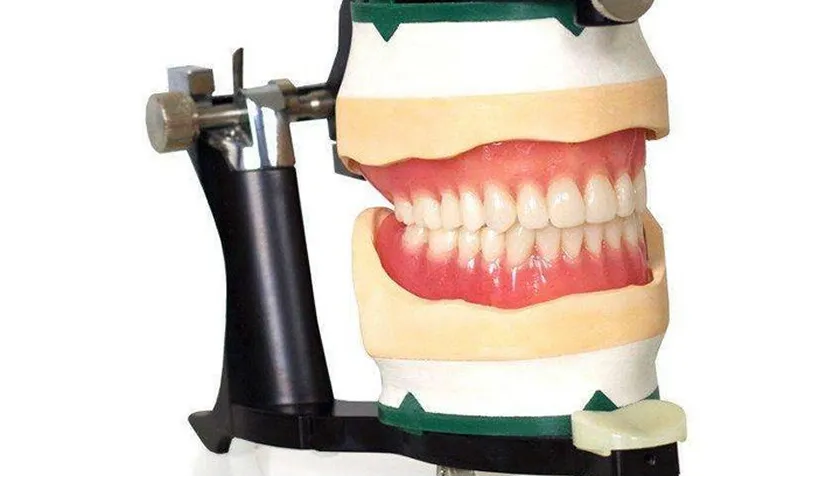
Re-establishing the patient’s bite relationship on an articulator (Source: Industry News Network)

Diagnostic imaging methods (such as X-rays, MRI, CT scans, etc.) help identify the causes of TMJ pain (Source: Dergi Park Journal)
Once the condition has been accurately diagnosed, the dentist will explain and recommend the most appropriate treatment plan. At hiDental, there are two primary occlusal treatment services: TMJ pain treatment and occlusal splints (night guards). TMJ treatment methods vary depending on the underlying cause. Below are some common examples: