General Dentistry


 Tiếng Việt
 日本語
日本語

Is dental implant surgery necessary when a tooth is missing? Doctors warn against delaying it.
May 22, 2026
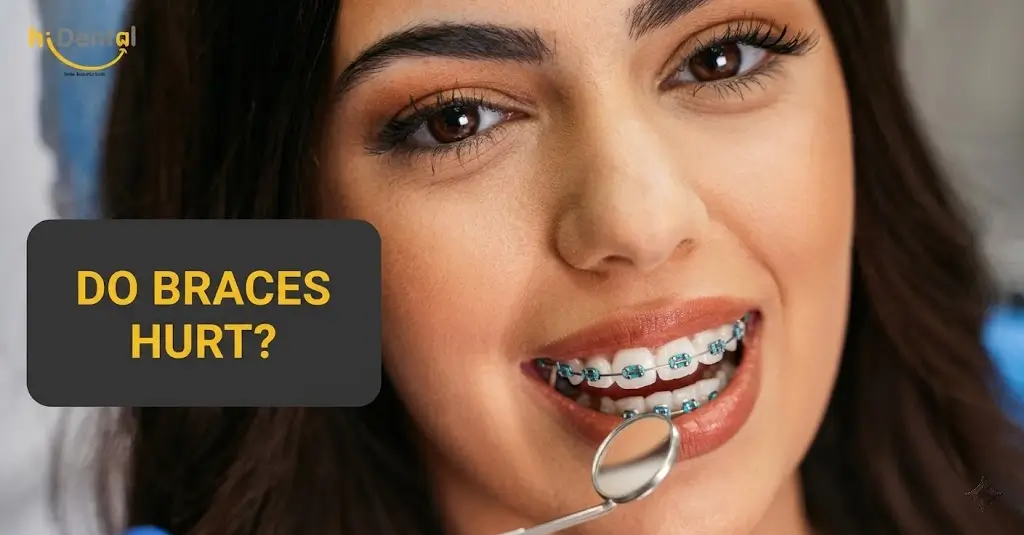
“Does braces treatment hurt?” is always one of the first questions every patient asks before starting their orthodontic journey. In reality, modern orthodontics has improved significantly, making tooth movement much gentler and more comfortable. However, mild soreness and discomfort may still occur at different stages — and more importantly, the dentist’s expertise accounts for up to 80% of whether your braces experience feels “comfortable and manageable” or “painful and exhausting for weeks.”

“Do braces hurt?” is a common concern among many patients
In this article, hiDental will help you better understand whether braces hurt, why a dentist’s technique is so important, and how you can confidently enjoy your journey toward a beautiful smile without fear.
To answer the question “Do braces hurt?”, it is important to understand the mechanism behind orthodontic treatment. When braces or clear aligners are applied, teeth gradually move through continuous pressure placed on the periodontal ligaments, gums, and jawbone. This is a natural biological process, but it may cause mild soreness or pressure.
Discomfort usually appears within the first 2–5 days after getting braces, tightening archwires, or changing to a new aligner tray. After that, your teeth gradually adapt to the pressure, and the discomfort decreases. Pain tolerance varies from person to person: some people experience only slight sensitivity, while others may feel more noticeable soreness.
The important thing to remember is: Braces should not cause severe pain when treatment is planned correctly by an experienced orthodontist who adjusts forces appropriately at every stage.
This is when many patients first experience orthodontic pressure. Teeth may feel tight or sore, chewing hard foods can become difficult, and some patients may experience irritation on the lips or cheeks from the brackets. With clear aligners, the experience is usually gentler because there are no metal brackets involved.
Throughout treatment, patients typically visit the clinic every 4–6 weeks for adjustments or to receive new aligner trays (for Invisalign users). During this stage, stronger force is applied to continue moving the teeth, so mild soreness may occur for a few days before stabilizing again.
Near the final stage of treatment, dentists often recommend elastics to improve the bite alignment. This is an important finishing stage but may also create mild jaw tension, requiring patients to wear the elastics consistently and correctly.

Does a dentist’s expertise affect the pain level?
Many patients say, “My friend had braces with no pain, but I suffered for weeks.” The biggest reason often lies in the dentist’s expertise. A skilled orthodontist will:
At low-quality clinics, incorrect force calculations may cause sudden tooth movement, severe pain, and even root resorption.
Choosing genuine brackets and properly sized archwires also affects comfort. Poor-quality brackets can easily detach, leave sharp wire ends, and irritate the lips and cheeks. Clear aligners like Invisalign or ClearCorrect must be accurately manufactured based on 3D scans to ensure a smooth and comfortable fit.
A good orthodontist does more than simply place braces and leave the patient alone. Throughout treatment, the dentist should schedule regular follow-ups, adjust force levels carefully, and provide instructions on wearing elastics, oral hygiene, and nutrition. This helps minimize discomfort and prevents complications.
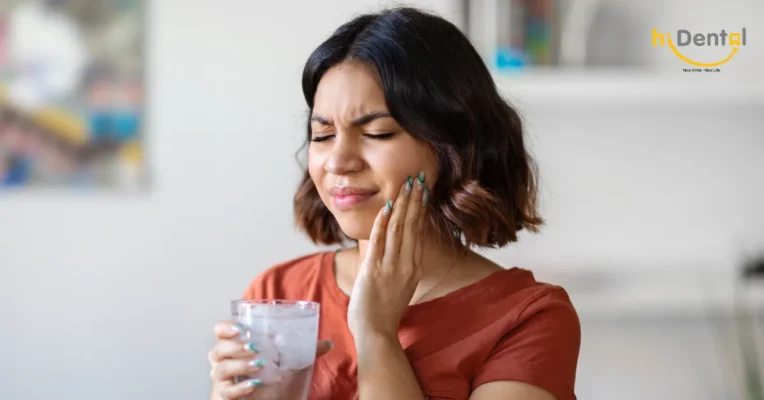
There are many ways to reduce discomfort from braces at home
Especially during the first week or after wire tightening, prioritize soft foods such as porridge, soup, and yogurt. Avoid hard or chewy foods that may damage the brackets.
Applying ice packs outside the cheeks can help reduce mild swelling. If the discomfort becomes significant, your dentist may prescribe suitable pain relief medication. Avoid self-medicating without professional advice.
New brackets often irritate the lips and cheeks. Orthodontic wax can be applied to sharp areas of the brackets to reduce friction.
Inflamed gums can increase tooth sensitivity and soreness. Use a soft-bristled toothbrush, water flosser, or orthodontic floss designed for braces wearers.
To ensure a smoother orthodontic journey, ask your dentist these important questions:
At hiDental, our orthodontic specialists graduated from the University of Medicine and Pharmacy Ho Chi Minh City and completed advanced orthodontic training at Tokyo Medical and Dental University in Japan.
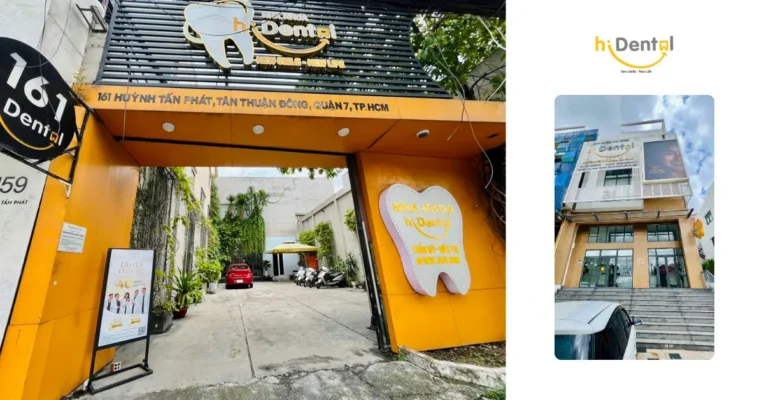
hiDental is trusted by many patients for orthodontic treatment
Every orthodontic case at hiDental includes:
As a result, more than 90% of hiDental patients report a comfortable braces experience with manageable soreness and a confident, beautiful smile after treatment.
DO BRACES HURT? THE ANSWER DEPENDS GREATLY ON THE DENTIST YOU CHOOSE
In conclusion, whether braces hurt depends heavily on the orthodontist’s expertise, the accuracy of the treatment plan, and the quality of care throughout the process. Don’t let “cheap braces” advertisements make you overlook these important factors. Investing in treatment at a reputable clinic ensures your teeth move safely, effectively, and beautifully.